

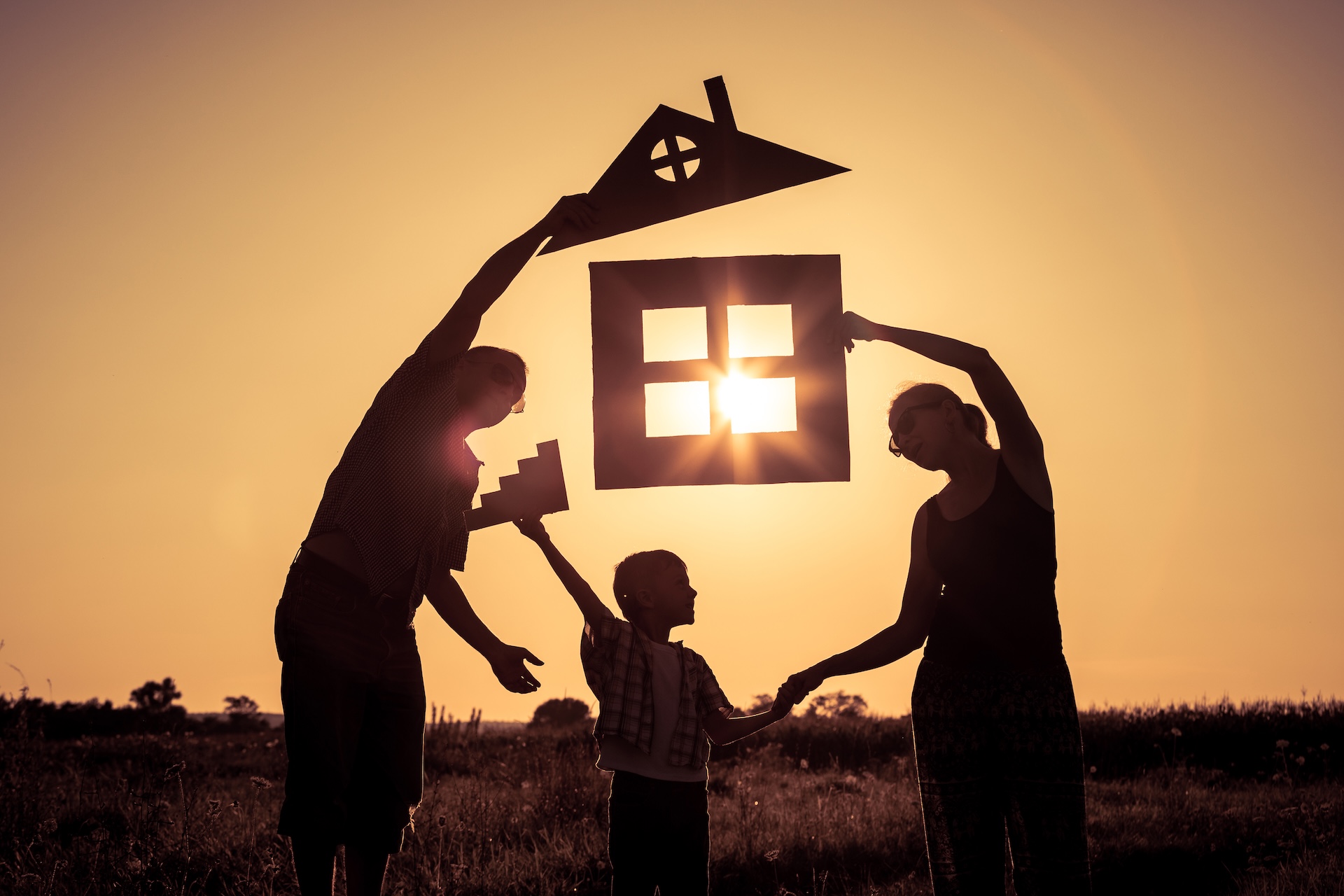
How Energy is Essential to Your Life
Lesson Objectives
By the end of this lesson, you will:
- Understand why energy is essential to your everyday life.
- Connect energy systems to you, your family, and community well-being.
- Practice inquiry, collaboration, and citizen science thinking.
- Have completed the first step in becoming a leader in shaping energy conversations, the influencer that changes a commonplace, negative narrative
Part 1: No Energy!
Think Prompt: “Imagine you wake up tomorrow and there’s no electricity. What 3 things in your life change immediately?”
Write and Reflect: Write the three answers in your notebook then reflect on what those changes mean to you and your family.
Part 2: Energy Powers Life
1. Watch
Watch this short video Energy Powers Life. As you watch, notice how energy is used to power your modern life.
2. Write

In your notebook, write a complete response comparing and contrasting your Part 1 thoughts to the those delivered in the Energy Powers Life video.
- Take 3-5 minutes.
- Refer back to your initial ideas and expand with details and examples. The focus should be on getting thoughts on paper rather than producing a perfect draft.
- Include at least five ways energy was involved in your morning routine.
- Be as specific as possible. For example, instead of just writing ‘lights,’ you could write ‘electricity powered the lamp when I turned it on to get dressed.'”
3. Communicate

Discuss your responses with a family member or friend, identifying one point of agreement and one point of difference. Briefly discuss the variance in the respective responses, then note those responses in your notebook.
Part 4: Citizen Science Project

A Citizen Science Project is a form of public participation in scientific research, where non-professional volunteers collaborate with scientists to address real-world questions by contributing to data collection, analysis, and interpretation.
Your Project: Energy in My World
- You will interview family/friends about how they use energy (appliances, transportation, heating/cooling).
- Collect 3–5 data points (for example, “Mom’s laptop is used 6 hrs/day,” “Our car uses 6 gallons of gas daily”).
- Share your findings in a group discussion on how energy shapes real lives.
Part 5: Future-Pacing Reflection
Write
If you had the power to guarantee affordable, reliable energy for your family and community, what would that future look like? Write or sketch your answer.
Part 6: Exit Ticket
COURSE NAVIGATION
Module 1: Why Energy Matters
Lesson (1) (2) (3) (4) (5) (Test) (Guide)
Module 2: Why Affordable Energy Matters
Lesson (1) (2) (3) (4) (5) (Test) (Guide)
Module 3: Why Reliable Energy Matters
Lesson (1) (2) (3) (Test) (Guide)
Module 4: Why Clean Energy Matters
Lesson (1) (2) (3) (4) (Test) (Guide)
Module 5: Be a BEN Ambassador
Lesson (1) (2) (3) (4) (5) (Test) (Guide)
Module 6: Finals & What’s Next?
(Project) (Test) (Opps) (BENcentives) (Guide)