

Energy for Health, Safety, and Reliability
Approximate completion time: 45 min
Lesson Objectives
By the end of this lesson, you will:
- Understand how reliable energy directly impacts health, safety, and everyday life.
- Explore energy’s role in powering hospitals, emergency systems, clean water, and food supply.
- Develop a project-based example of how their community depends on energy reliability.
- Engage in a citizen science activity by exploring real-time energy grid data.
- Strengthen persuasive reasoning and communication skills.
Part 1: Medical Emergency
BAD NEWS – What happens in a hospital when the power goes out? One example:
THINK: What would it mean for YOU or your family if power wasn’t reliable during an emergency?”

Watch this video …
GOOD NEWS – Natural Gas Backup Generators to the Rescue …
Now watch this one …
1. Think
Considering the two videos you’ve just seen:
- How does energy protect you and your families health every day?
- Why do you think reliable energy is a matter of life and death in some situations?
- What do you think happens to safety systems (traffic lights, police, hospitals, water pumps) if energy fails?
2. Write
Write your answers to the brainstorm questions in the Think section into your notebook
3. Pair

In pairs (or with parent/mentor if solo homeschooling), share your answers to the questions above using persuasive speaking techniques like the helpful hints that follow:
Helpful Hints:
- Start with a personal story ( to make an emotional connection).
- Use authority by citing facts (example: energy grid reliability > 99%).
- Try scarcity framing: “What if energy reliability dropped, even slightly?”
4. Present

- Present your most compelling point(s) to the group/family or to your parent/teacher/mentor.
- Use a strong, calm, confident delivery to practice influencing techniques
Part 2: Energy in Healthcare
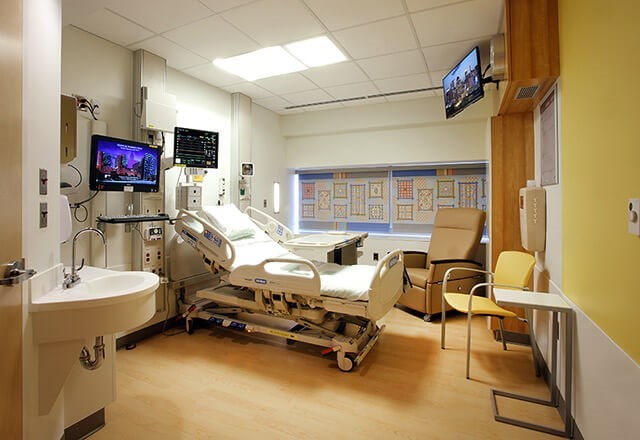
1. Observe
2. Identify and List
In your notebook, identify and list and number all the items in the lighted hospital room picture above that use reliable energy keep patients healthy
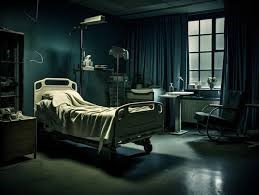
Now, in your notebook, list and identify, all the items in the darkened hospital room that use no energy to keep patients healthy
3. Written Reflection
If energy stopped being reliable in your town for 24 hours, what three medical risks would people face? Which is most dangerous, and why?
Verbal Check:
Explain to your parent/teacher, family member: “Why is reliable energy not just convenient, but essential for survival?”
Did You Know
Many people, particularly elderly and infirmed persons, perhaps even your grandparents, use home health devices that require reliable electricity to function properly.
Examples include: oxygen concentrators, ventilators, dialysis machines, medical refrigerators to cool specialized medicines, or, chair lifts and stairlifts. A power outage can pose a serious, or even life-threatening, risk to users of these devices. Intermittent energy is more than an inconvenience, it could be deadly.
Part 3: Project-Based + Citizen Science Activity

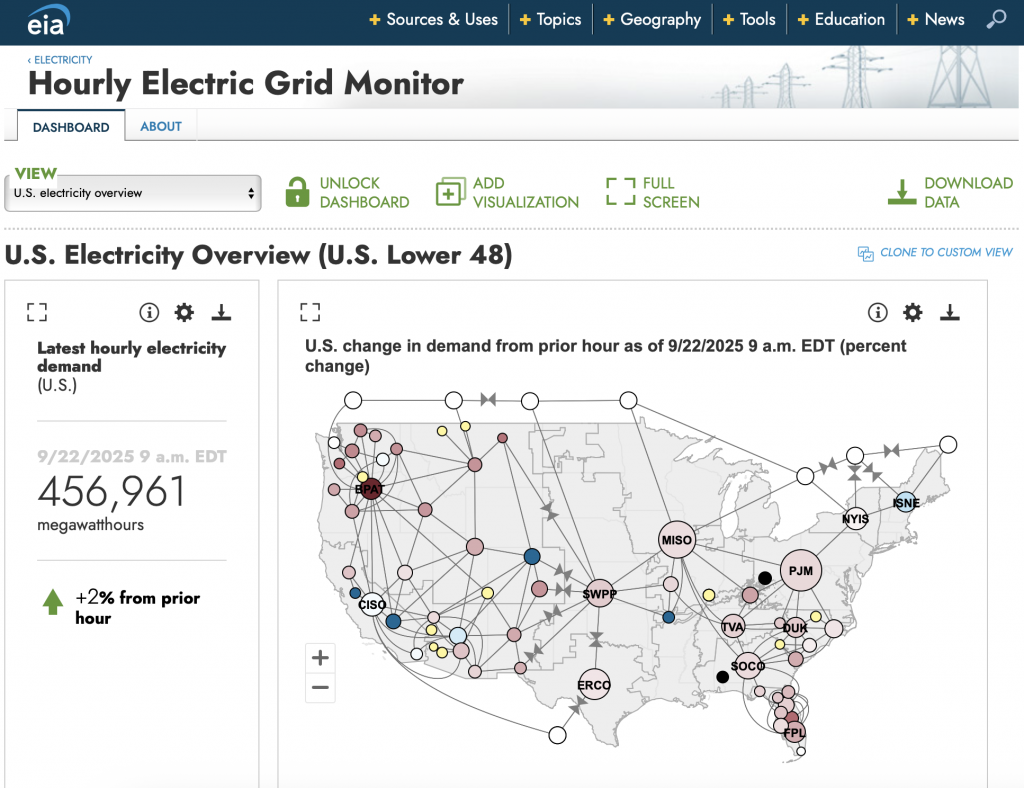
- Visit the U.S. Energy Information Administration website
- Go to the “real-time grid data” or data from your local utility dashboard.
- Track how much energy is being used right now.
- In your notebook, create a mini-poster or infographic: “How today’s energy keeps my community safe & healthy.”
- Include examples: hospitals, clean water, refrigeration, phones, emergency response.
- Add reliability facts from the grid data.
Part 4: Go With The Flow:
Why Reliable Energy = Clean Drinking Water
Think
Imagine you wake up, go to brush your teeth, and—no water comes out. Or, worse, halfway through your shower the pressure dies. Pretty annoying, right? But here’s the thing: it could be more than just a plumbing issue—it’s could be an energy issue.
Core Ideas
Water doesn’t magically flow into your sink. It’s pumped, purified, and delivered using electricity.
- Pumping stations, using energy, push water from rivers, lakes, or underground aquifers to treatment plants.
- Treatment plants, using energy, clean and disinfect the water so it’s safe to drink.
- Distribution systems, using energy, then send that water through miles of pipes to your tap.
As you can see, each step in bringing clean, potable water to your home and removing unclean water from your home, requires a steady, reliable energy supply. The most important ingredient in every glass of water you drink isn’t water—it’s energy.”
Did You Know
The average American household uses about 350 gallons of water per day – about 70% inside and 30% outside. To deliver, heat, remove, and treat that water can use up to 10 kilowatt hours of electricity per day – that’s enough electricity to play Call of Duty for about 40 straight hours on your console.
Read and Consider
Water doesn’t magically flow into your sink. It’s pumped, purified, and delivered using electricity.
- Energy runs water systems.
- Every sip of water you drink has already gone through pumps, treatment plants, filters, and sometimes even desalination or purification systems.
- All of those depend on a steady stream of electricity.
- Reliable energy keeps water flowing.
- Municipal water plants need constant power to run pumps that move water through pipes to homes and cities.
- Treatment plants must keep running 24/7 to clean out bacteria and chemicals. If power stops, water quality drops immediately.
- Unreliable energy = water problems.
- Intermittent energy sources like solar and wind don’t always produce power when it’s needed (cloudy days, calm nights, windless afternoons).
- If the grid has too much reliance on these without backup, water plants risk sudden shutdowns, boil-water notices, or even dry taps.
- Everyday Connection:
- That glass of ice water, the shower you take, even flushing the toilet—all depend on steady electricity.
- Without it? Boil alerts, shortages, or even unsafe drinking water.
- Real-Life Examples
- Texas (2021 winter storm): Rolling blackouts hit water plants → millions of people told to boil water (but many couldn’t, because their power was also out).
- California blackouts: Some neighborhoods lost water pressure because electric pumps couldn’t run without backup generators.
Takeaway
Reliable energy = safe water.
Unreliable energy = disruptions that hit your daily routine fast.
Part 5: Assess your understanding of the importance of reliable energy to your health and safety and that of your family and community
Quiz: Energy for Health, Safety, and Reliability
COURSE NAVIGATION
Module 1: Why Energy Matters
Lesson (1) (2) (3) (4) (5) (Test) (Guide)
Module 2: Why Affordable Energy Matters
Lesson (1) (2) (3) (4) (5) (6) (Test) (Guide)
Module 3: Why Reliable Energy Matters
Lesson (1) (2) (3) (4) (Test) (Guide)
Module 4: Why Clean Energy Matters
Lesson (1) (2) (3) (4) (5) (Test) (Guide)
Module 5: Be a BEN Ambassador
Lesson (1) (2) (3) (4) (5) (Test) (Guide)
Module 6: Final Test and Project
Lesson (Test) (Opportunities) (Project) (Guide)